
Hearing scratching above your ceiling at night is unsettling, and in coastal Virginia it often points to one culprit: roof rats. These agile climbers thrive in the warm, humid conditions of Hampton Roads, and they have a habit of moving into attics, eaves, and wall voids before homeowners ever spot them. If you have noticed the signs, learning how to get rid of roof rats quickly is the best way to protect your home, your family, and your peace of mind. Our team at Talent Pest Control handles this every season, and our rodent control services are built specifically for the pests that pressure homes across Virginia Beach, Norfolk, and Chesapeake.
This guide walks you through identifying roof rats, understanding why they show up here, and the practical steps that actually keep them out for good.
.jpg)
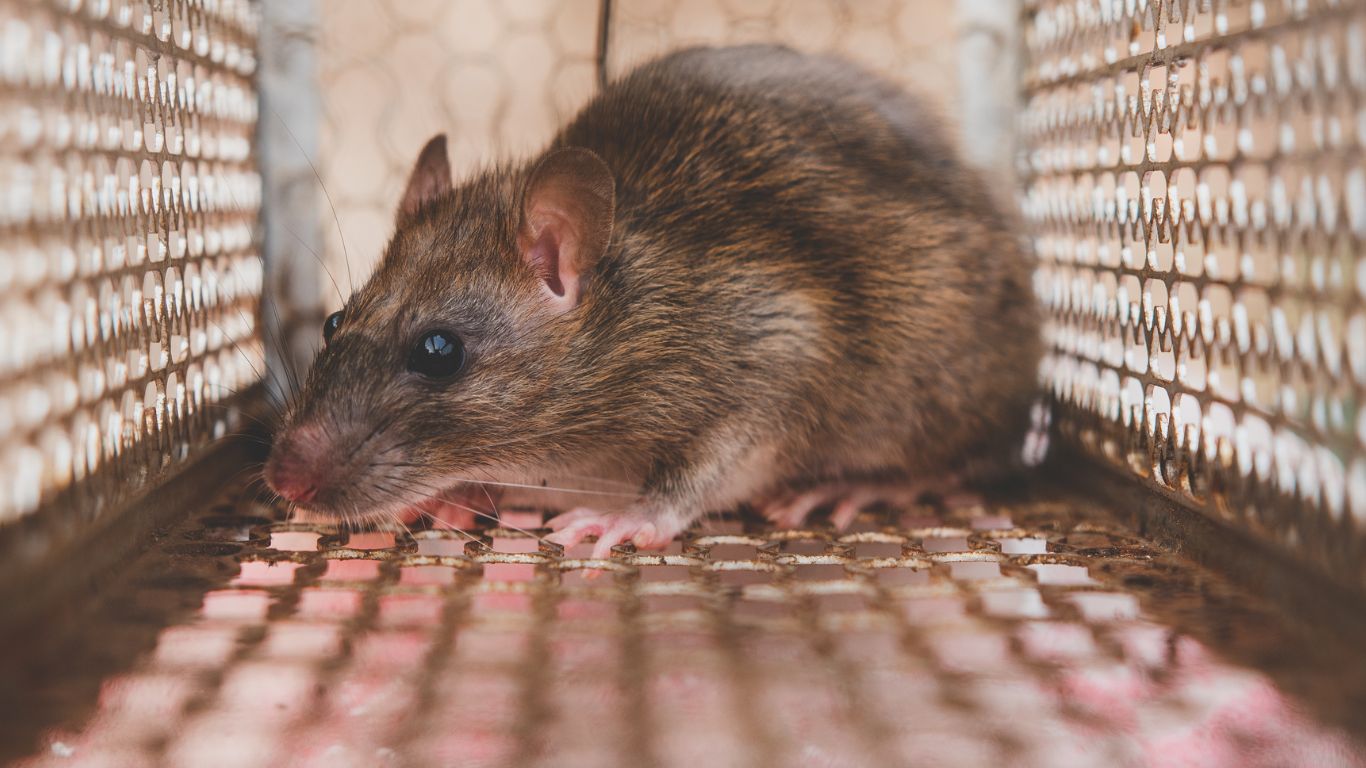
Roof rats, sometimes called black rats, are different from the more familiar Norway rat. They are sleek, dark, and built for climbing, with a tail that is longer than their head and body combined. Instead of burrowing into the ground, they prefer to nest up high, which is exactly why you hear them overhead rather than in the basement.
Our region gives them everything they need. The mild, damp climate, mature trees, dense landscaping, and proximity to ports and waterways all create ideal conditions. Coastal communities tend to see more roof rat activity than colder inland areas, and Hampton Roads sits right in their comfort zone. Once they find a reliable food source and a sheltered place to nest, they settle in fast and breed quickly.
That speed is the reason early action matters so much. A small problem in the spring can become a full infestation by the fall.
Roof rats are secretive, so you will usually notice the evidence before you see the animal itself. Watch for these clues around your property.
Scratching or scurrying sounds in the attic or walls, especially after dark, are one of the most common first signs. You may also find droppings, which are small and spindle-shaped, often concentrated near nesting areas or along travel routes.
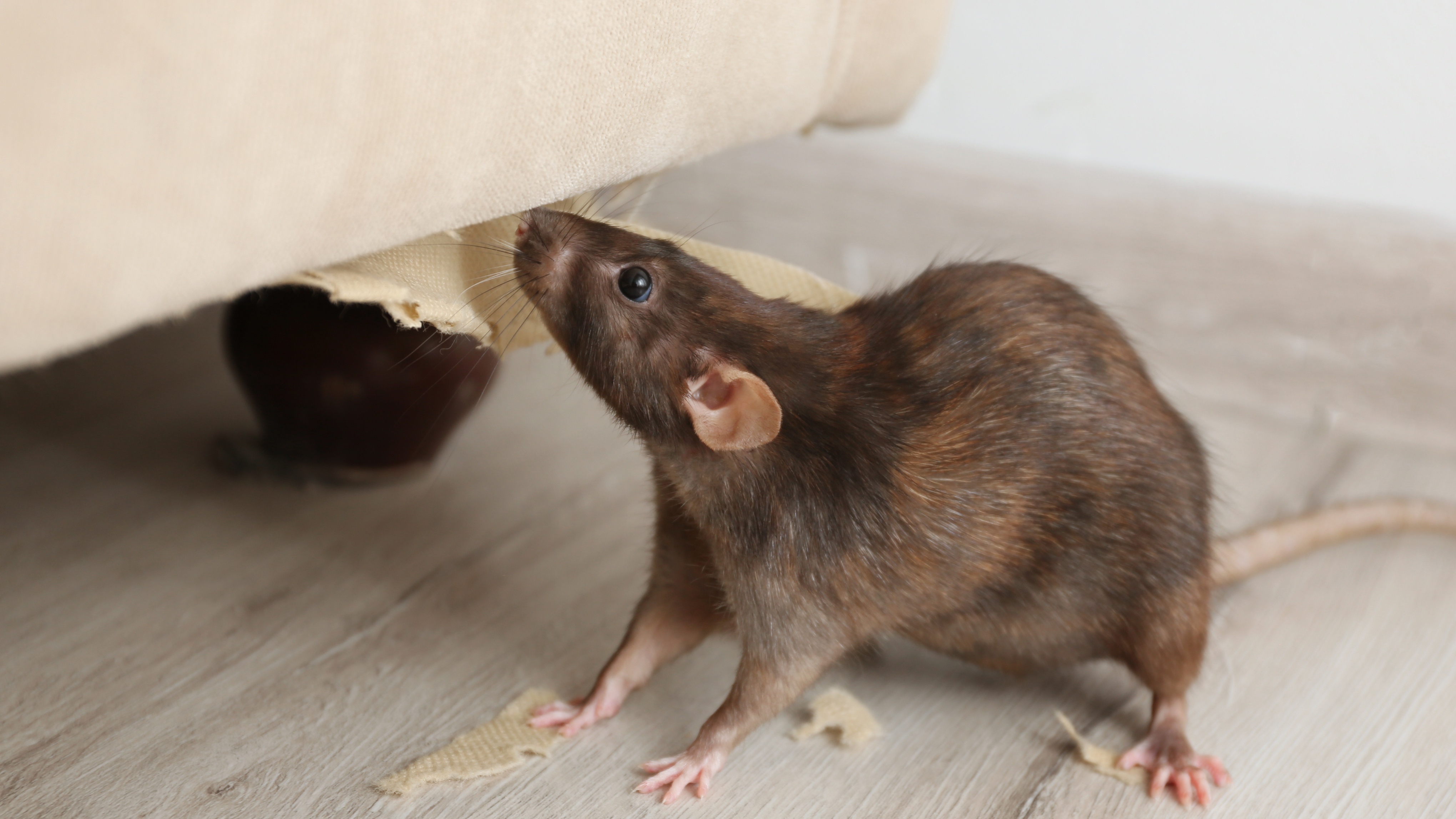
Gnaw marks on wires, wood, and food packaging are another red flag, since rats must chew constantly to manage their growing teeth. Greasy rub marks along beams and baseboards, chewed fruit in the yard, and shredded insulation or nesting material in the attic all point toward an active population. Spotting a rat running along a fence line, utility wire, or tree branch at dusk is also a strong indicator.
If any of this sounds familiar, it is worth acting before the colony grows.
.jpg)
Effective rat control is never about a single trap. It works best as a layered approach that removes what attracts them, blocks how they get in, and reduces the population already present. Here is how to get rid of roof rats in a way that lasts.
Rats stay where they are fed. Store pet food, birdseed, and grass seed in sealed metal or heavy plastic containers, and never leave pet bowls out overnight. Pick up fallen fruit and nuts from your yard daily, keep garbage in bins with tight-fitting lids, and fix leaky outdoor faucets or plumbing that creates standing water. Even small, reliable water sources can sustain a colony.
Because roof rats climb, your landscaping is part of the problem. Trim tree branches back at least a few feet from your roofline, since overhanging limbs act as bridges straight into your attic. Clear away heavy ground cover, ivy, and woodpiles stacked against the house, and keep vegetation thinned so rats cannot travel unseen.
This is the step most homeowners skip, and it is the most important one. Roof rats can squeeze through a gap the size of a quarter. Inspect your roofline, eaves, vents, and the spots where pipes and wires enter the home. Seal small holes with steel or copper wool packed in with caulk, and cover larger openings with hardware cloth or metal flashing. Wood and foam alone will not stop them, because they chew right through soft materials.
Snap traps remain one of the safest and most effective tools for homes, and they avoid the risk of a poisoned rat dying in an inaccessible wall and causing odor problems. Place traps along walls and known travel routes, and bait them with foods roof rats already enjoy, such as nuts, dried fruit, or peanut butter. According to the University of California Statewide Integrated Pest Management Program, exclusion and trapping are generally favored over chemical methods for residential settings. Set the traps unset for a few days first, since rats are cautious of new objects.
Do-it-yourself measures can help, but roof rats are persistent, and a missed entry point or hidden nest can undo all your effort. If the scratching continues, if you are seeing rats during daylight, or if droppings keep appearing after you have cleaned, the population is likely larger than what traps alone can manage.
A professional inspection finds the access points you cannot see and addresses the conditions allowing rats to thrive. This matters for your health as well as your home, since rodents can contaminate food and spread disease through their droppings and urine. Our technicians know exactly how to get rid of roof rats in local homes, and we tailor each plan to your property rather than applying a one-size-fits-all approach. If you would rather skip the guesswork, you can reach out to our team for a fast inspection.
Because we are based right here in Hampton Roads, we understand the seasonal patterns and structural quirks that let roof rats into homes across Suffolk, Portsmouth, Newport News, and Williamsburg.
Getting rid of roof rats is only half the job. Keeping them gone means staying ahead of the conditions that invited them in the first place. Make a habit of checking your roofline and vents each season, keeping trees trimmed, and storing food and waste securely. Routine pest control visits add another layer of protection by catching new activity early, before it turns into another sleepless night listening to the ceiling.
The good news is that with the right combination of sanitation, exclusion, and monitoring, roof rats do not have to be a recurring problem. A little consistency goes a long way toward keeping your home quiet and pest-free year-round.
Roof rats are determined, but they are far from unbeatable. Once you understand how to get rid of roof rats through smart prevention, careful sealing, and strategic trapping, you can take back your attic and protect the place that matters most. If the problem feels bigger than a weekend project, there is no shame in bringing in help that does this every day. Talent Pest Control is here to make the process simple, honest, and fast, so your home stays the safe space it should be. When you are ready, schedule your inspection with our Hampton Roads team and let us handle the rest.
Nothing's more valuable than your home and the people in it. Call today to book a service and ensure your home remains a safe space for your family by using our pest control services in Hampton Roads.

.png)

