
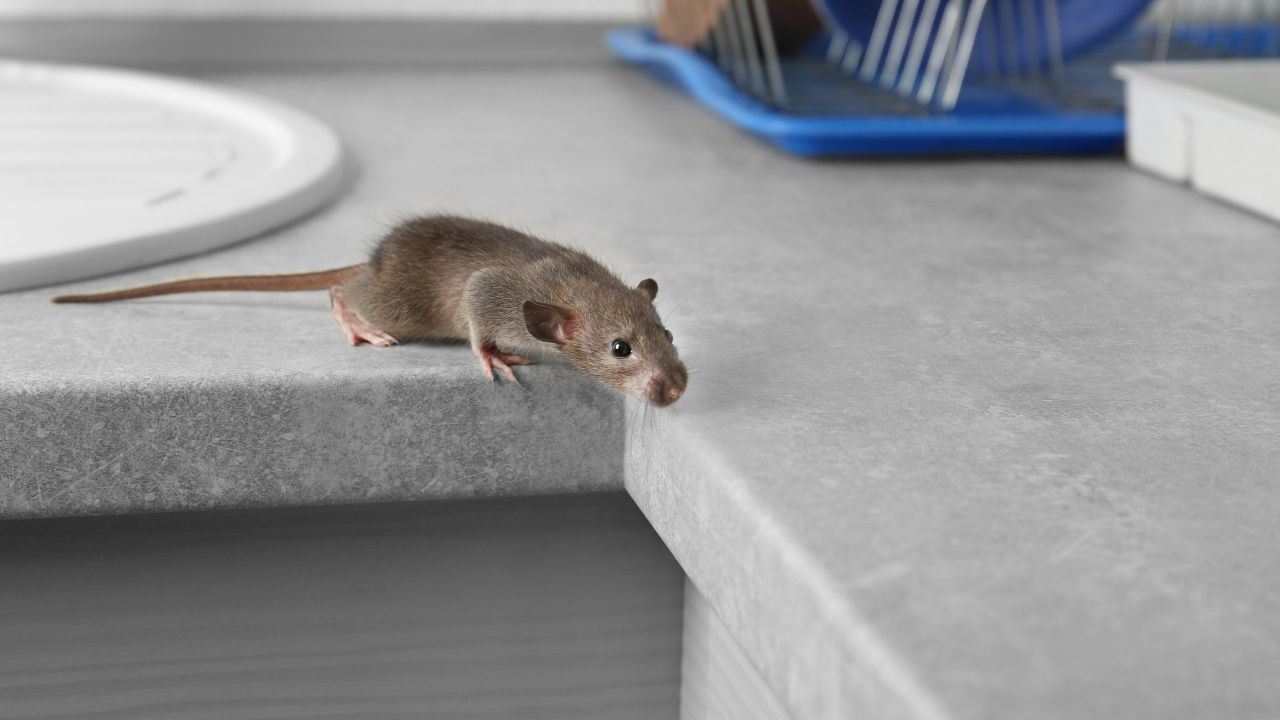
As the weather cools across Hampton Roads, mice start looking for a warm place to spend the winter, and your home is exactly what they have in mind. So how do you keep mice out of your house before they settle in? The most effective approach is to seal the tiny gaps they use to get inside and remove the food and shelter that draw them in the first place. Doing this in September, ahead of the October rush indoors, is far easier than evicting mice once they have moved in.
Prevention is the whole game with mice, and a thorough job pays off all winter. For homes that already have signs of activity, professional rodent control services can seal your home properly and stop the problem at the source.
Mice are driven by two simple needs: warmth and food. When overnight temperatures fall in October, the outdoors stops being comfortable, and a heated house full of crumbs and cozy wall voids becomes the ideal winter shelter. That is why rodent calls climb every autumn across Virginia.
Timing matters because mice breed quickly. A small problem in October can become a serious infestation by winter, since a single female can produce several litters in a season. Getting ahead of them now, before they are established, is the difference between a quick seal up job and months of trapping.
It also helps to know what you are dealing with. Mice are much smaller than rats and squeeze through far tinier gaps, so the prevention steps differ. If you suspect the larger, heavier activity of rats instead, our rat control tips cover that separate problem.

The most surprising thing about mice is how little space they need. A mouse can fit through a gap about the width of a pencil, roughly one quarter of an inch. If you can see daylight under an exterior door, the gap is already big enough.
Common entry points around a typical home include:
Signs of activity point you straight to their routes. Droppings, gnaw marks, greasy rub marks along baseboards, and faint scratching sounds at night all tell you where mice are traveling, which is exactly where you want to focus your sealing.
The heart of how to keep mice out of your house is exclusion, which means closing off every opening they could use. Start with a careful inspection, checking both inside and outside, since most entry points begin outdoors but are often easier to spot from inside where pipes and wires pass through walls. The CDC offers a thorough room by room checklist for sealing up your home that is worth following.
Use the right materials for the job:
One important note: expanding foam on its own will not keep mice out, because they chew right through it. Foam is fine for sealing around a steel wool plug, but the barrier itself needs to be something they cannot gnaw. Check your seals each season, since new gaps open up over time.
.jpg)
Sealing is the priority, but taking away food and shelter makes your home far less inviting. Even a spotless kitchen can draw mice if there is an easy way in, so pair exclusion with a few habits that remove the reward.
Around the house, focus on these:
Outside, deny them cover near the foundation. Move firewood piles away from the house, keep mulch shallow, rake up leaf piles, and trim back shrubs and grass that let mice hide as they approach your walls.
If you are already hearing scratching in the walls or finding droppings, the mice are inside, and sealing alone will not remove the ones already there. Because they reproduce so fast, a small problem does not stay small for long, which is when professional help is worth it.
A trained technician can find the hidden entry points a basic walk around misses, seal them with the right materials, and set up a plan to remove any mice already indoors. Our Virginia Beach and Hampton Roads team knows where local homes tend to let rodents in and can handle the whole job before winter, from inspection to lasting exclusion.
.jpg)
Mice are one of the most common cold weather invaders in Hampton Roads, and once they are established they are tough to clear out. Knowing how to keep mice out of your house comes down to two steps: seal the gaps they use to get in, and remove the food and shelter that attract them. A weekend of prevention in September saves you a winter of traps and cleanup.
Want your home sealed and ready before the mice start looking? Contact us today to schedule an inspection and get a straightforward estimate for your Hampton Roads home.
How small a gap can a mouse fit through?
A mouse can squeeze through an opening about the width of a pencil, roughly one quarter of an inch. This is why sealing even small cracks matters, and why a gap under an exterior door is often all a mouse needs to get inside.
What is the best way to keep mice out of your house?
Exclusion is the most effective method. Seal entry points with steel wool and caulk or metal mesh, install door sweeps, and remove food and shelter. Doing this before fall, rather than after mice arrive, gives the best results.
Does expanding foam keep mice out?
Not on its own. Mice chew straight through foam, so it should only be used to hold a steel wool plug or metal backing in place. The actual barrier needs to be a material they cannot gnaw through.
What attracts mice into a home?
Warmth, food, and shelter. Accessible food, pet food, garbage, clutter, and cover near the foundation like firewood and leaf piles all invite mice. Cooler fall temperatures then push them indoors looking for those things.
How do I know if I already have mice?
Look for droppings, gnaw marks, greasy rub marks along baseboards, and scratching sounds at night. If you notice these signs, mice are already inside, and sealing should be paired with removal to solve the problem.
Nothing's more valuable than your home and the people in it. Call today to book a service and ensure your home remains a safe space for your family by using our pest control services in Hampton Roads.

.png)

