
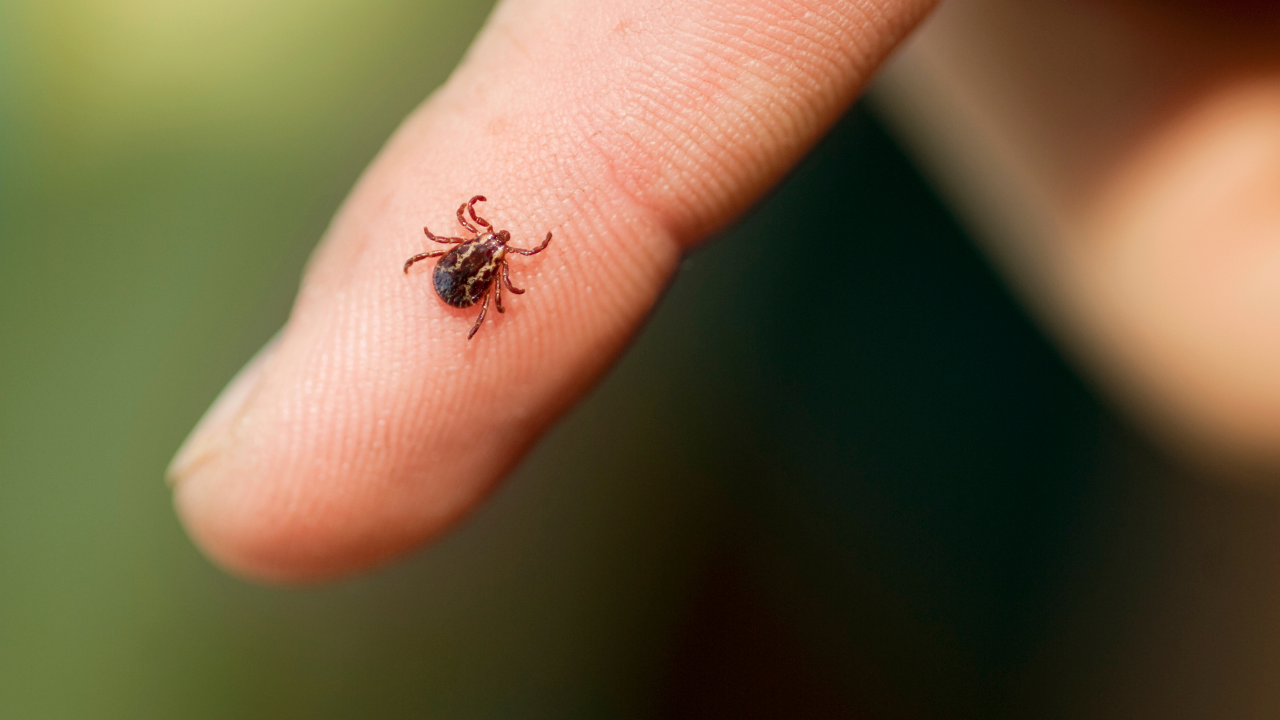
Ticks are more than a nuisance in Hampton Roads. They are a genuine health concern, and many people pick them up right in their own backyard. If you spend time gardening, playing with your kids, or walking the dog, effective tick treatment for your yard is one of the smartest ways to protect your family. The good news is that a well-planned approach, combining smart landscaping with targeted treatment, can dramatically cut the number of ticks on your property. For many homeowners, professional pest control services make that process far easier and more reliable.
Here is what every Virginia homeowner should understand about ticks, where they hide, and how to keep them out of the spaces your family uses most.
.png)
Virginia is home to several tick species, and it consistently ranks among the states with the highest rates of tick bites. Three species account for most local encounters, and each carries its own risks.
The lone star tick is the most common in our area. It is an aggressive biter, identified by the single white dot on the female's back, and it can transmit ehrlichiosis. It is also the tick most associated with alpha-gal syndrome, a serious allergy to red meat that can develop after a bite. The blacklegged tick, also called the deer tick, is the primary carrier of Lyme disease and is small enough to be easily missed. The American dog tick can transmit Rocky Mountain spotted fever and prefers sunny, grassy spots along trails and yard edges.
It is estimated that about one in five ticks carries a disease. The Virginia Department of Health offers a helpful guide to identifying local ticks if you want to know what you are dealing with. The reassuring part is that most diseases are not transmitted the instant a tick attaches, so prompt removal and prevention make a real difference.
Ticks do not jump or fly. They wait on the tips of grass and low vegetation, then latch on as a host brushes past. That behavior tells you exactly where to focus your attention.
The highest-risk zones in a typical Hampton Roads yard include:
Wildlife brings ticks in, too. Deer, and small animals like mice and other rodents, carry ticks into your yard and drop them as they travel. Keeping woodpiles neat and dry helps discourage the rodents that shelter near your home, and professional rodent control can further reduce those hidden hosts.
.png)
The most effective tick treatment for your yard works on two fronts at once: making your property less hospitable to ticks and applying targeted treatment where they concentrate.
Start with the landscape. The CDC recommends creating a tick-safe zone using a few straightforward steps: remove leaf litter, mow the lawn frequently, clear tall grass and brush around the home, and place a three-foot barrier of wood chips or gravel between your lawn and any wooded areas. Ticks avoid crossing that hot, dry strip. Keep play equipment, decks, and patios away from yard edges, stack wood neatly in a dry spot, and use fencing to discourage deer. You can find the full landscaping checklist on the CDC's tick prevention page.
The second front is targeted treatment. A perimeter application of acaricide along yard edges and tick hotspots can sharply reduce the population, and a single well-timed springtime treatment can lower tick numbers by 68 to 100 percent. Timing matters, with late spring and early summer being the priority window for the nymphs most likely to spread disease. Because ticks and mosquitoes often share the same damp, shady yard zones, many homeowners pair tick treatment with seasonal mosquito control for fuller outdoor protection.
Homeowners can handle much of the habitat work themselves. Mowing, clearing brush, removing leaf litter, and creating that gravel barrier are all doable weekend projects that pay off.
Where professional help earns its keep is in the treatment itself. Applying acaricides correctly, at the right time, in the right places, and according to label instructions, is where results are won or lost. The CDC is clear that you should not rely on spraying alone, which is why a professional combines properly timed treatment with the habitat guidance above. A trained technician knows the local tick species, their seasonal patterns, and the spots around a Hampton Roads home where they concentrate.
Yard treatment reduces your risk, but a few personal habits close the gap. Treat clothing and gear with products containing 0.5 percent permethrin, and do a full-body tick check after time outdoors, including behind the knees, around the waist, and in the hairline.
Pets deserve the same attention, since dogs and cats easily carry ticks indoors. Talk to your veterinarian about tick-control medication, and check your pets daily during the warm months. If you find an attached tick, remove it promptly with tweezers, grasping close to the skin and pulling straight out.
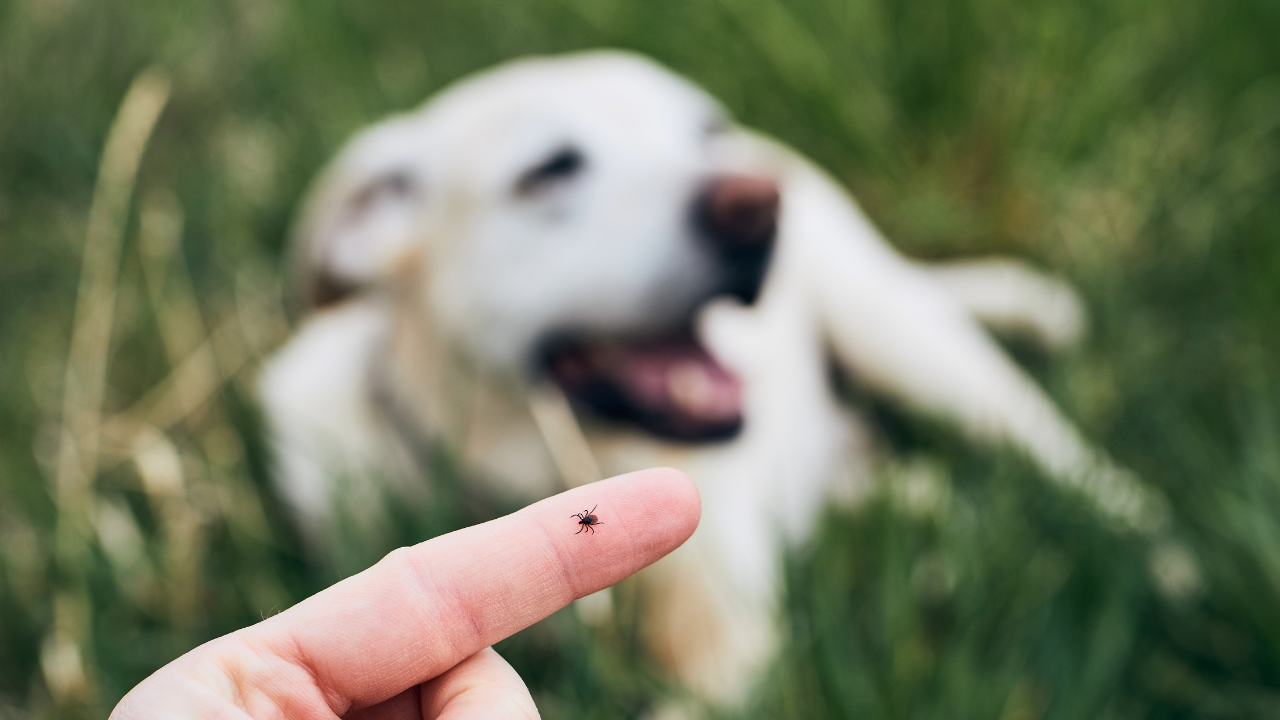
Ticks are a serious part of outdoor life in Hampton Roads, but they do not have to keep your family inside. A thoughtful tick treatment for your yard, combining smart landscaping with properly timed professional treatment, makes your outdoor space safer season after season. With the region's mild climate keeping ticks active for much of the year, consistent protection is well worth the effort.
Ready to make your yard safer? Contact us today to schedule tick treatment and get a straightforward estimate for your Hampton Roads property.
How does tick treatment for your yard work?
Effective tick treatment combines habitat management with targeted treatment. You reduce tick-friendly conditions by mowing, clearing brush, and removing leaf litter, then apply acaricide to yard edges and hotspots. A single well-timed spring treatment can reduce tick numbers by 68 to 100 percent.
When is the best time to treat my yard for ticks?
Late spring and early summer, around May and early June, is the priority window because it targets the young ticks most likely to spread disease. An additional fall application can help control adult ticks. Because Virginia's climate keeps ticks active much of the year, ongoing attention helps.
What kinds of ticks are common in Hampton Roads?
The lone star tick is the most common locally, followed by the blacklegged (deer) tick and the American dog tick. Each can transmit different illnesses, so reducing all of them through yard treatment and habitat management is the safest approach.
Can I get rid of ticks in my yard myself? Y
ou can handle much of the landscaping work, like mowing, clearing brush, and creating a gravel barrier between your lawn and wooded areas. For reliable, properly timed acaricide treatment, and because spraying alone is not enough, many homeowners turn to a professional.
Are ticks in my yard actually dangerous?
They can be. About one in five ticks carries a disease such as Lyme disease, ehrlichiosis, or Rocky Mountain spotted fever, and the lone star tick is linked to a red-meat allergy called alpha-gal syndrome. Prompt removal and yard treatment lower your risk considerably.
Nothing's more valuable than your home and the people in it. Call today to book a service and ensure your home remains a safe space for your family by using our pest control services in Hampton Roads.

.png)

