
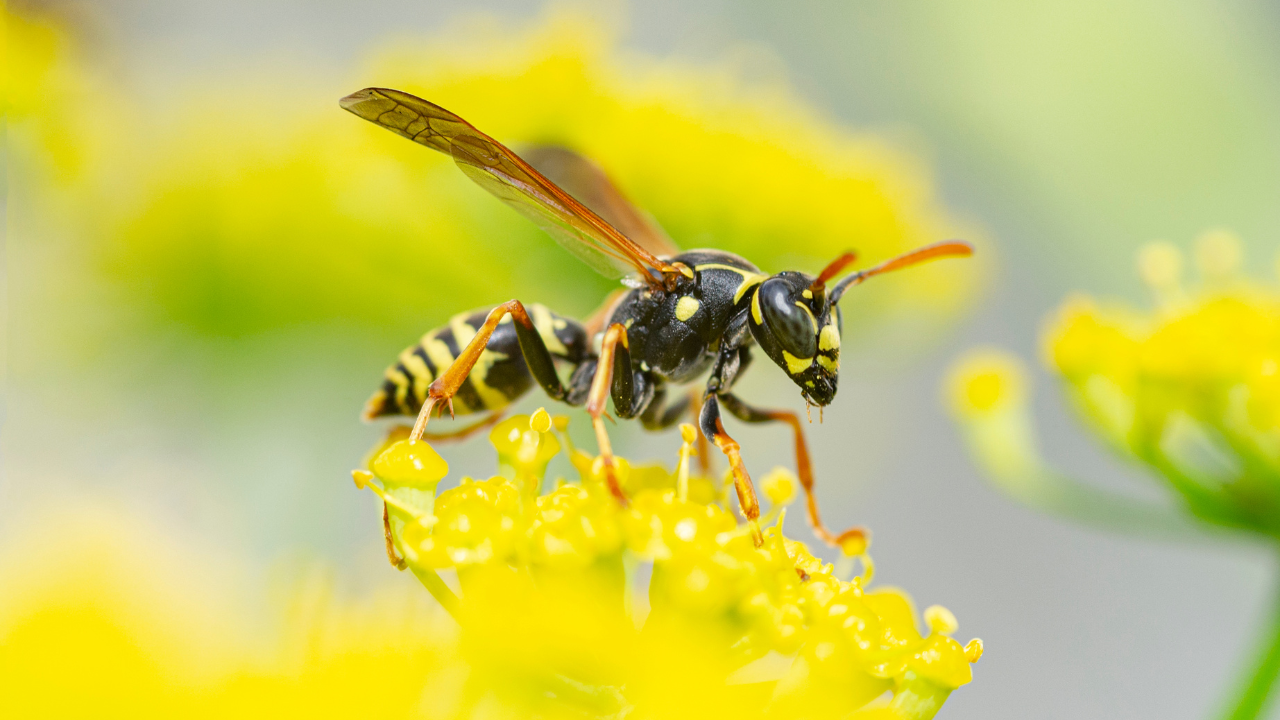
If you have noticed more stinging insects buzzing around your yard, deck, or trash cans lately, you are not imagining it. Late summer is peak season for yellow jackets, wasps, and hornets across Hampton Roads, and it is exactly when their nests are at their largest and most aggressive. Learning how to get rid of wasps the right way matters most this time of year, because a nest that seemed harmless in June can hold thousands of defensive workers by late August.
The safest approach depends on the species and where the nest is located. Some situations are manageable with care, while others call for professional pest control services. Here is what every Hampton Roads homeowner should know about late-summer nests and how to handle them.
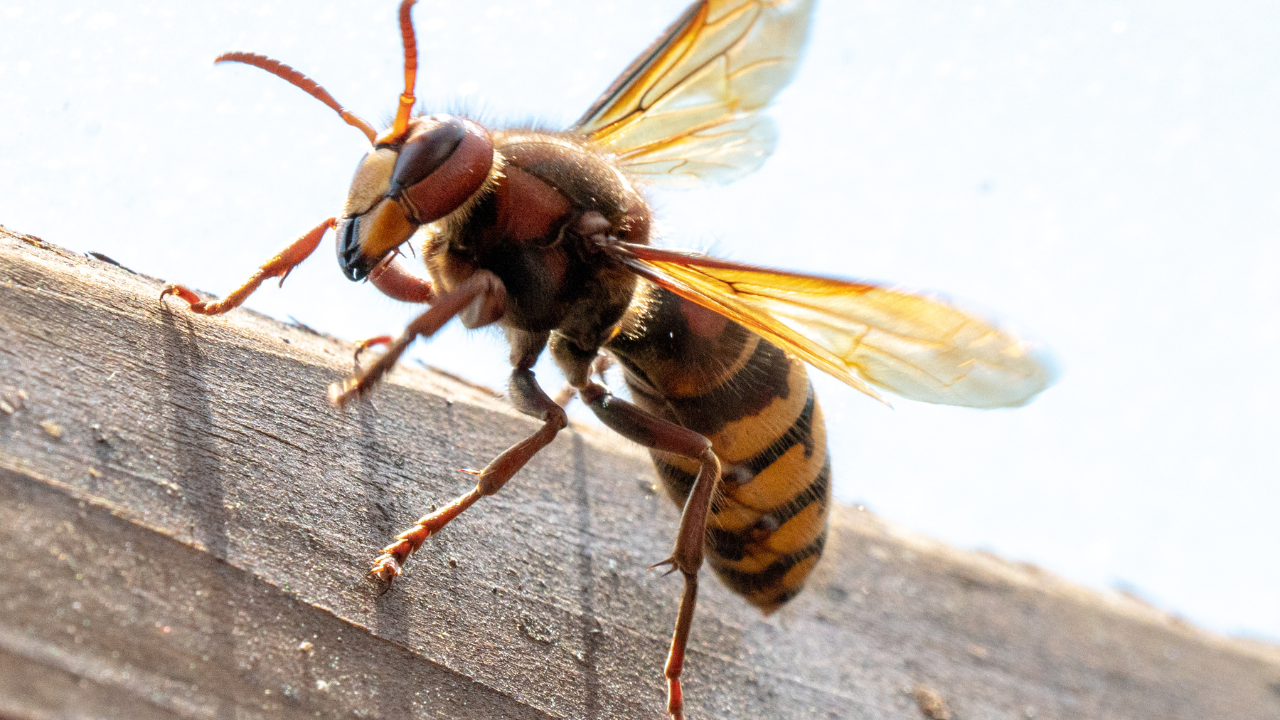
Every nest you see today started small. In spring, a single queen that survived the winter builds a modest nest and lays her first eggs. Through the warm months, the colony grows steadily, adding workers week after week.
By late summer and early fall, that colony reaches its peak. Some yellow jacket nests can contain 3,000 to 5,000 workers or more. With so many insects packed into one nest, activity around your property increases dramatically, and so does the risk of an accidental encounter.
Behavior changes too. As the season winds down, workers shift from feeding larvae to scavenging for sugars and protein, which is why they suddenly crash your cookout or hover around soda cans and garbage bins. They also become far more defensive. When a yellow jacket stings, it releases an alarm pheromone that can trigger nearby nestmates to attack together, and unlike honeybees, these insects can sting repeatedly.
Not every buzzing insect is the same, and correct identification shapes how you deal with a nest. These are the four you are most likely to meet in coastal Virginia:
Finding the nest is the first step, and the location tells you a lot about the risk involved. Ground nests are the easiest to stumble into by accident, since a yellow jacket colony can hide in a lawn, flower bed, or old burrow with only a small hole marking the entrance. Many people discover these the hard way while mowing or gardening.
Aerial and structural nests are more visible but come with their own hazards. Check eaves, soffits, porch ceilings, deck railings, and the corners of your roofline. Bald-faced hornet nests often appear high in trees or against siding. If insects seem to disappear into a gap in your siding or a hole in the wall, you may have a colony nesting inside a wall void, which is one of the trickier situations to treat.
.png)
For a small, easily accessible nest, careful homeowners can sometimes handle removal themselves. The key word is careful. Figuring out how to get rid of wasps without getting hurt comes down to timing, distance, and the right product.
Locate the nest during the day when workers are flying in and out, but treat it at night when the colony is inside and least active. Use a product specifically labeled for wasps and hornets, apply it from a safe distance, and never stand somewhere the spray could drip back onto you. Wear protective clothing that covers your body, face, and hands, and always plan an escape route before you begin. Virginia Cooperative Extension offers detailed, research-based guidance on treating yellow jacket nests that is worth reading before you attempt anything.
Just as important is what not to do. Do not pour gasoline, diesel, or bleach into a nest. Do not try to burn or smoke the insects out, and do not attempt to bury an underground nest. These methods are dangerous, ineffective, and can cause fires or serious injury. If a nest is large, enclosed, inside a wall, or in a busy part of your yard, skip the DIY approach entirely.
Some nests are simply not worth the risk. Professional treatment is the right call for ground nests, wall-void colonies, large hornet nests, and any nest near a doorway, walkway, or other high-traffic area. It is also essential if anyone in your household is allergic to stings, since a mass encounter can quickly become a medical emergency.
A trained technician identifies the species, treats the colony at the safest time, and removes the nest when possible, all while wearing proper protective gear. Our Virginia Beach and Hampton Roads team responds quickly, which matters when a nest is active near where your family spends time. Fast, correct treatment protects you from repeated stings and keeps the problem from coming back.
Once this season's colony is handled, a few habits reduce the odds of a repeat next year. The nest you dealt with will not be reused, but new queens are always looking for fresh sites in spring.
A little prevention goes a long way, since a nest is far easier to deal with in April than in August.
.png)
Late summer brings stinging insects to their peak, but you do not have to give up your backyard because of a nest. Knowing how to get rid of wasps safely, recognizing which species you are dealing with, and understanding when a job is too risky to handle alone will keep your family protected through the fall.
If you have found a nest and would rather not take the chance, our local team is ready to help. Contact us today to schedule fast, professional stinging insect treatment anywhere across Hampton Roads.
What is the safest way to get rid of wasps at home?
The safest DIY approach is to treat a small, accessible nest at night using a product labeled for wasps and hornets, applied from a distance while wearing protective clothing. For ground nests, wall voids, large nests, or if anyone is allergic, professional removal is the safer choice.
Why are yellow jackets so aggressive in late summer?
Colonies reach their largest size in late summer and early fall, with thousands of workers competing for dwindling food. They scavenge more aggressively and defend the nest fiercely, releasing an alarm pheromone that can trigger group stinging when disturbed.
How do I know if a nest is in my wall?
Watch for insects repeatedly entering and exiting a gap in siding, a hole, or a vent. You may also hear faint buzzing inside the wall. Wall-void nests are difficult and risky to treat yourself and are best left to a professional.
Should I remove a wasp nest myself or hire someone?
A small, exposed paper wasp nest in an easy-to-reach spot may be manageable with care. Ground nests, hornet nests, wall-void colonies, and any nest near doors or walkways should be handled by a professional, especially if stings pose a health risk.
Will the nest come back next year?
No. A wasp or yellow jacket nest is used for only one season and is then abandoned. However, new queens may build fresh nests nearby the following spring, so sealing entry points and removing attractants helps prevent a repeat.
Nothing's more valuable than your home and the people in it. Call today to book a service and ensure your home remains a safe space for your family by using our pest control services in Hampton Roads.

.png)

